Your personal brand is more than your logo, website, or what you post on social media. It's the impression you leave, the way you communicate, and how you show up. Here's why your personal style should be part of the conversation.
Whether you're an entrepreneur, business owner, consultant, creative, or corporate professional, your personal brand is constantly communicating something about you.
Before you say a word, people are already forming impressions based on how you present yourself. Your appearance, communication style, imagery, and overall presence all contribute to how others perceive you and, ultimately, your business.
If you're the face of your brand, this becomes even more important. You're not just representing yourself; you're representing the business, the experience, and the value you're offering to your customers.
But here's the thing: building a personal brand isn't about creating an image that looks good. It's about creating one that feels authentic, communicates the right message, and supports where you want to go.
Your wardrobe, brand voice, photography, and online presence should all work together to tell a cohesive story.
So, where do you start?
Interested in learning more about hiring me as your stylist? Inquire HERE.
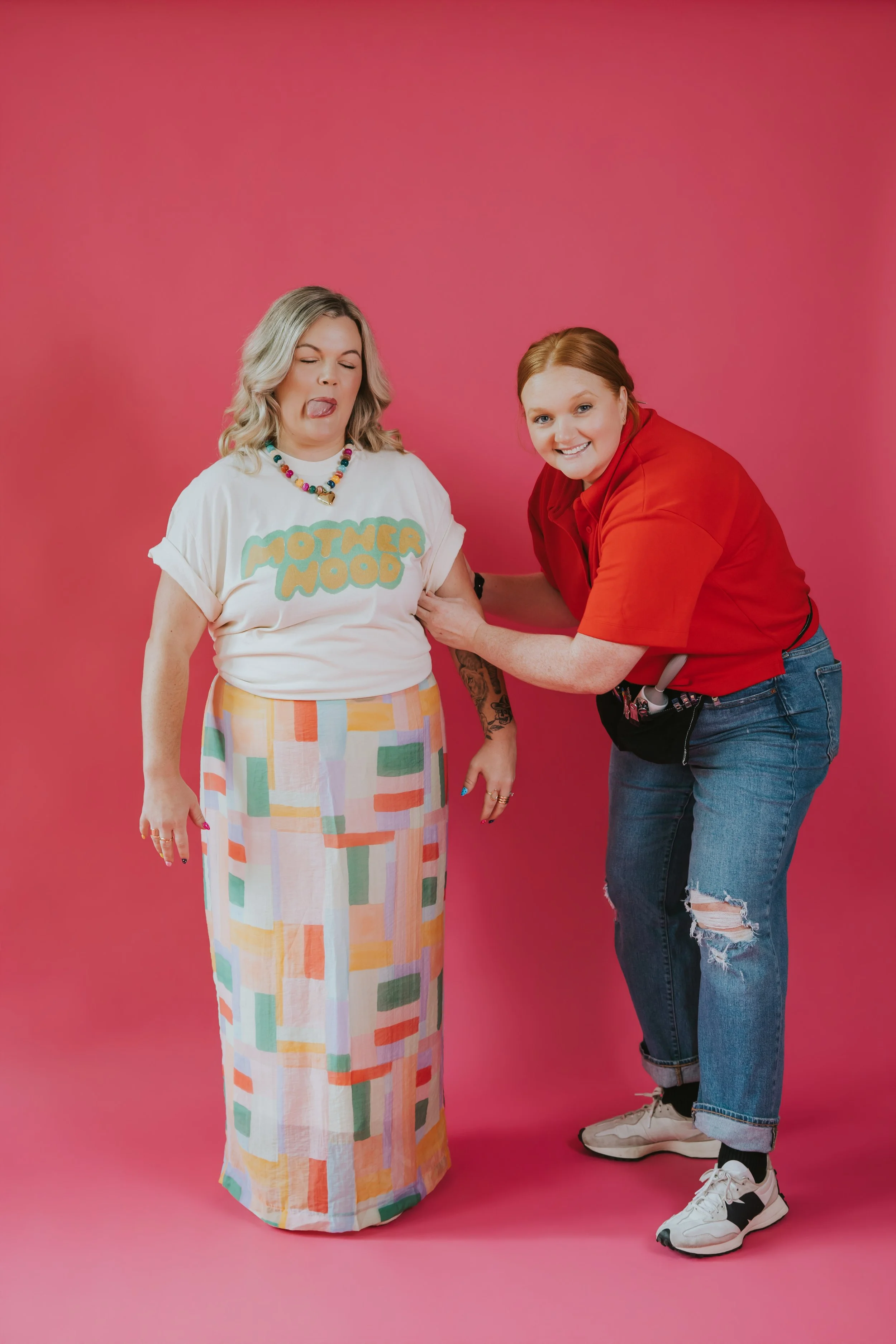
1. Determine How You Want to Be Perceived
Before thinking about what to wear, think about what you want people to see.
How do you want potential clients, customers, and collaborators to describe you?
What do you want someone to think or feel when they visit your website, see your social media content, or meet you in person?
Consider the qualities you want your personal brand to communicate:
Approachable and personable
Polished and professional
Creative and innovative
Confident and authoritative
Sophisticated and elevated
Relatable and down-to-earth
Bold and expressive
You don't have to communicate all of these. In fact, trying to communicate too many things at once can make your brand feel unclear.
Choose three to five words that best represent the impression you want to make. Use those words as a guide when making decisions about your wardrobe, photography, colors, and overall presentation.
For example, if you want to be perceived as approachable, creative, and confident, your personal style might incorporate relaxed tailoring, interesting accessories, and color rather than relying exclusively on traditional corporate attire.
The goal is to make sure the way you show up visually supports the way you want your brand to be experienced.
2. Understand Your Ideal Customer
One of the biggest things to consider when building your personal brand is who you're trying to reach.
Who is your ideal customer? What do they value? What are their expectations? What kind of experience are they looking for when they work with you?
Your personal brand should feel authentic to you, but it should also resonate with the audience you're trying to attract.
Think about the environment you're operating in and the people you want to connect with. Are you targeting corporate executives, creative entrepreneurs, luxury consumers, young professionals, or everyday families?
This doesn't mean you need to dress like your customers or completely change who you are to appeal to them. Rather, you want to create a visual identity that helps establish trust, communicates your value, and makes sense for the audience you're serving.
Consider this when planning your photos and videos, too.
Your brand imagery should give potential customers a glimpse into what it's like to work with you. Think about the settings, outfits, poses, expressions, and overall atmosphere you're creating.
Ask yourself:
Does this imagery speak to the audience I want to attract?
Does it reflect the level of service or experience I provide?
Does it communicate the right personality and energy?
Can my ideal customer envision themselves working with me?
Your content isn't just about showing people what you look like. It's an opportunity to show them who you are, what you do, and why they should connect with you.
3. Think About Color Psychology and Your Visual Identity
Color is one of the first things people notice, and it can influence the way your brand is perceived.
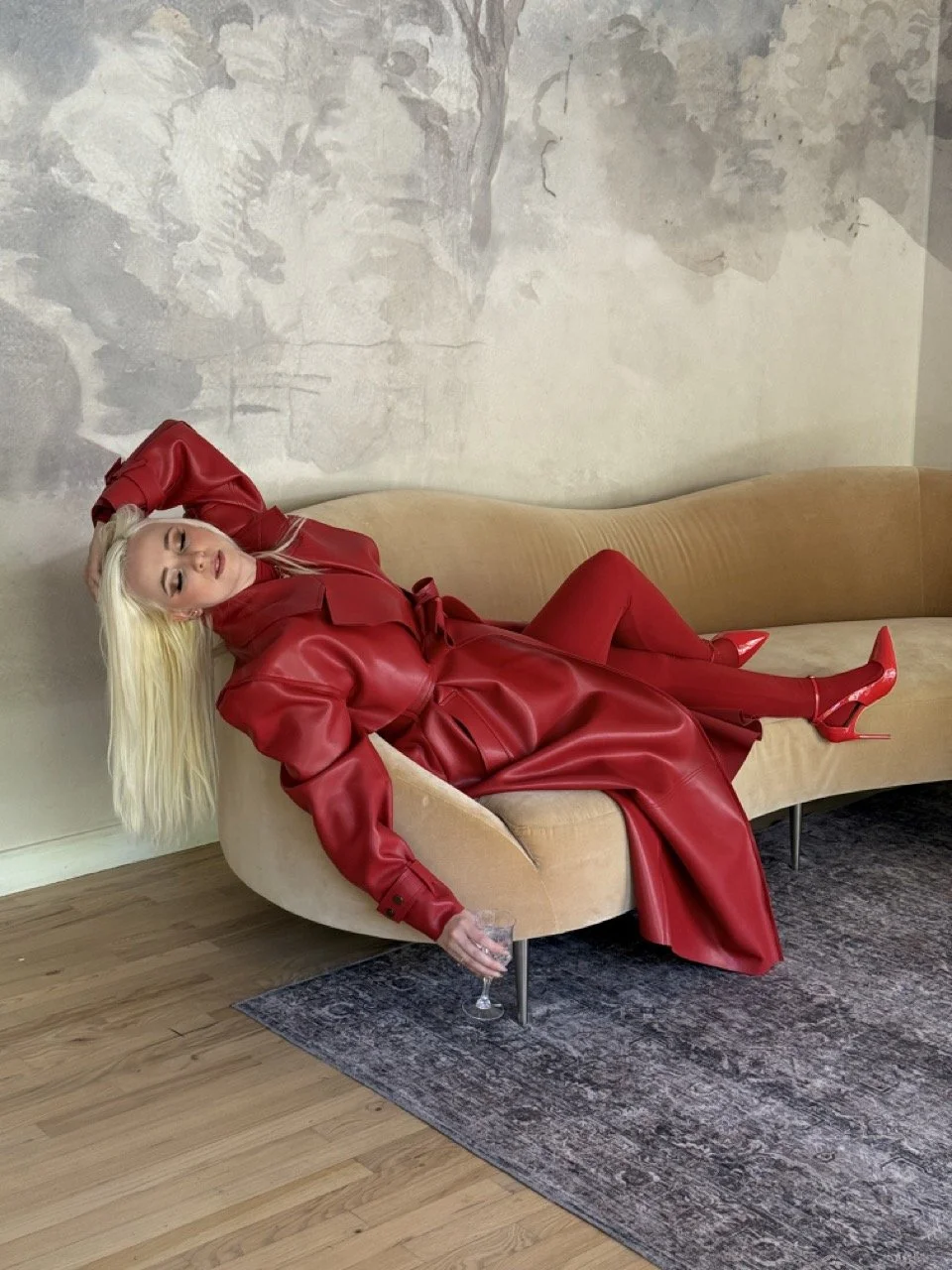
Think about the colors you consistently wear in your professional photos, videos, website, and social media content. Do they work together? Do they reflect your personality? Are they communicating the right message?
Different colors can evoke different associations:
Blue: Often associated with trust, dependability, and professionalism.
Black: Can communicate sophistication, authority, and elegance.
Red: Often associated with confidence, energy, and boldness.
Green: Can evoke growth, balance, and connection to nature.
Purple: Often associated with creativity, individuality, and luxury.
Neutrals: Can communicate simplicity, versatility, and understated sophistication.
Of course, color psychology isn't universal. Cultural context, personal associations, combinations, and the way a color is used all influence how it's received.
Your personal coloring also matters. Certain shades may complement your natural coloring more than others, making you look more vibrant and refreshed on camera.
This is where a little intentionality can go a long way.
You don't need to wear the exact same color in every photo or make your wardrobe match your website. Instead, identify a color palette that feels cohesive and gives you flexibility when creating content.
Think of color as another tool for making your personal brand recognizable.
4. Establish Your Brand Voice and Strategy
Your personal brand isn't just visual. It's also how you communicate.
Your brand voice should be consistent across your website, social media, emails, interviews, and in-person interactions.
Are you educational and informative? Conversational and relatable? Bold and opinionated? Inspirational and encouraging? A little humorous?
There isn't one right answer. The important thing is that your communication style feels authentic and aligns with the experience people can expect when working with you.
Think about the relationship between your visual identity and your brand voice.
If your messaging is approachable and conversational, but all your imagery feels overly formal and uninviting, there may be a disconnect.
Likewise, if you position yourself as a high-level industry expert, your visual presentation should support that level of credibility and expertise.
Your brand should tell one cohesive story, even when you're communicating across different platforms.
Take some time to establish:
Your core brand message: What do you want people to know about you?
Your tone of voice: How do you want to communicate?
Your areas of expertise: What do you want to be recognized for?
Your audience: Who are you speaking to?
Your content strategy: What topics, experiences, and insights will you consistently share?
Having a strategy makes it easier to show up with purpose rather than creating content simply because you feel like you need to post something.
5. Dress for Where You're Going, Not Just Where You Are
This is one of my favorite things to consider when working with clients on their personal brand.
Your personal brand should reflect who you are today, but it should also leave room for who you're becoming.
Maybe you're transitioning into entrepreneurship. Perhaps you're moving into a leadership role, expanding your business, attracting a different clientele, or positioning yourself as an expert in your industry.
Your wardrobe and visual presence should evolve alongside those goals.
Think about where you want to be in the next year, three years, or even five years. What opportunities do you want to attract? What type of clients do you want to work with? What rooms do you want to be in?
Now consider whether your current image supports that direction.
This doesn't mean dressing like someone you're not or pretending to be further along in your career than you are. It's about being intentional with how you present yourself and making sure your image isn't limiting the opportunities you're working toward.
Don't just dress for the role you have. Consider dressing for the opportunities you're working to create. View my services HERE.
6. Make Your Wardrobe Work for Your Brand
Once you have a better understanding of your brand, audience, and goals, you can start translating those ideas into your wardrobe.
This is where personal styling becomes especially valuable.
Rather than simply purchasing outfits for a photoshoot or choosing clothes because they're currently trending, think about building a wardrobe that supports the different ways you show up professionally.
Consider the environments and situations where you need to represent your brand:
Professional headshots and brand photography
Social media content and video creation
Client meetings and presentations
Networking events and speaking engagements
Conferences, workshops, and industry events
Everyday business and behind-the-scenes content
You don't necessarily need a completely different outfit for every occasion. You need versatile pieces that can be styled in different ways while maintaining a consistent visual identity.
Think about incorporating signature elements that people begin to associate with you. This might be a particular color, a favorite silhouette, interesting jewelry, a statement accessory, or a consistent approach to tailoring.
The goal is to create a wardrobe that feels like you, works for your lifestyle, and makes getting dressed for business easier.
7. What to Consider When Hiring a Personal Stylist for Your Brand
If you're investing in personal branding, professional photography, or building your visibility as the face of your business, bringing in a personal stylist can be a valuable part of the process.
But not every styling service is designed with personal branding in mind.
There's a difference between hiring someone to put together a few outfits and working with a stylist who understands how clothing, color, fit, and visual presentation contribute to your overall brand.
Before hiring a stylist, here are a few things I'd encourage you to consider.
Look for someone who understands your goals.
A good stylist should want to understand more than your clothing preferences and sizes. They should ask about your business, your audience, your professional goals, and how you want to be perceived.
Make sure they consider your brand identity.
Your wardrobe should complement your existing brand rather than feel disconnected from it. Consider whether the stylist is willing to discuss your brand colors, messaging, industry, and the type of clients you want to attract.
Ask about their approach to color, fit, and personal style.
The right pieces should not only look good but also work for your individual coloring, proportions, preferences, and comfort level. You want to feel confident and like yourself, not like you're wearing someone else's idea of what a successful professional should look like.
Consider how the outfits will translate on camera.
If you're hiring a stylist for brand photography or content creation, they should understand how clothing photographs and moves on camera. Consider fabric, fit, patterns, colors, accessories, and how different looks will work together across multiple images and videos.
Look for someone who thinks beyond one photoshoot.
Your personal brand is ongoing. Ideally, your stylist helps you develop a wardrobe and styling direction that you can continue using for future content, events, meetings, and everyday business.
Ultimately, you want someone who understands the bigger picture and can help translate your vision into a wardrobe that supports it.
Your Personal Brand Is an Investment in Yourself
Building a personal brand takes intention. It's not something you establish with one photoshoot, a new wardrobe, or a perfectly designed website.
It's the combination of how you communicate, how you present yourself, the experiences you create, and the impression you consistently leave.
And if you're the face of your business, your personal style is part of that equation.
Take the time to think about how you want to be perceived, who you're trying to reach, and where you want your brand to go. Make sure your wardrobe, imagery, and messaging support that vision.
Most importantly, remember that your personal brand should feel like an extension of you—not a character you're playing.
You can be professional and still be personable. You can be polished and still be creative. You can be an expert without losing the personality that makes you unique.
The goal isn't to look like everyone else in your industry.
It's to create a presence that is recognizable, authentic, and aligned with the opportunities you want to attract.
Show up with intention. Dress with confidence. Make your personal brand your own.
Are you ready to bring your personal brand to life?
Whether you're preparing for a brand photoshoot, building your presence as an entrepreneur, or simply ready for a more intentional professional wardrobe, personal styling can help you connect the dots between your image and your goals.
Let's create a wardrobe that reflects who you are, communicates what you want to be known for, and supports where you're going.
Interested in learning more about how to partner with me for photoshoot styling? Inquire HERE.
