Shop Like a Stylist: The Ultimate Guide to Shopping Smarter & Finding Clothes That Fit
Have you ever ordered something online that looked amazing on the model but completely missed the mark when it arrived? You're not alone. One of the biggest mistakes people make when shopping is relying solely on the size listed on the tag.
As a wardrobe stylist, one of the first things I recommend to clients is learning their measurements. It takes just a few minutes, but it can save you time, money, and countless returns. Whether you're shopping online or in-store, these tips will help you shop with confidence and build a wardrobe you'll actually wear.
Why Knowing Your Measurements Matters
Clothing sizes aren't standardized. A size 8 in one brand may fit like a size 6 or a size 10 in another. Don’t even get me started on vintage! Instead of focusing on the number on the tag, use your body measurements to compare against each brand's size chart.
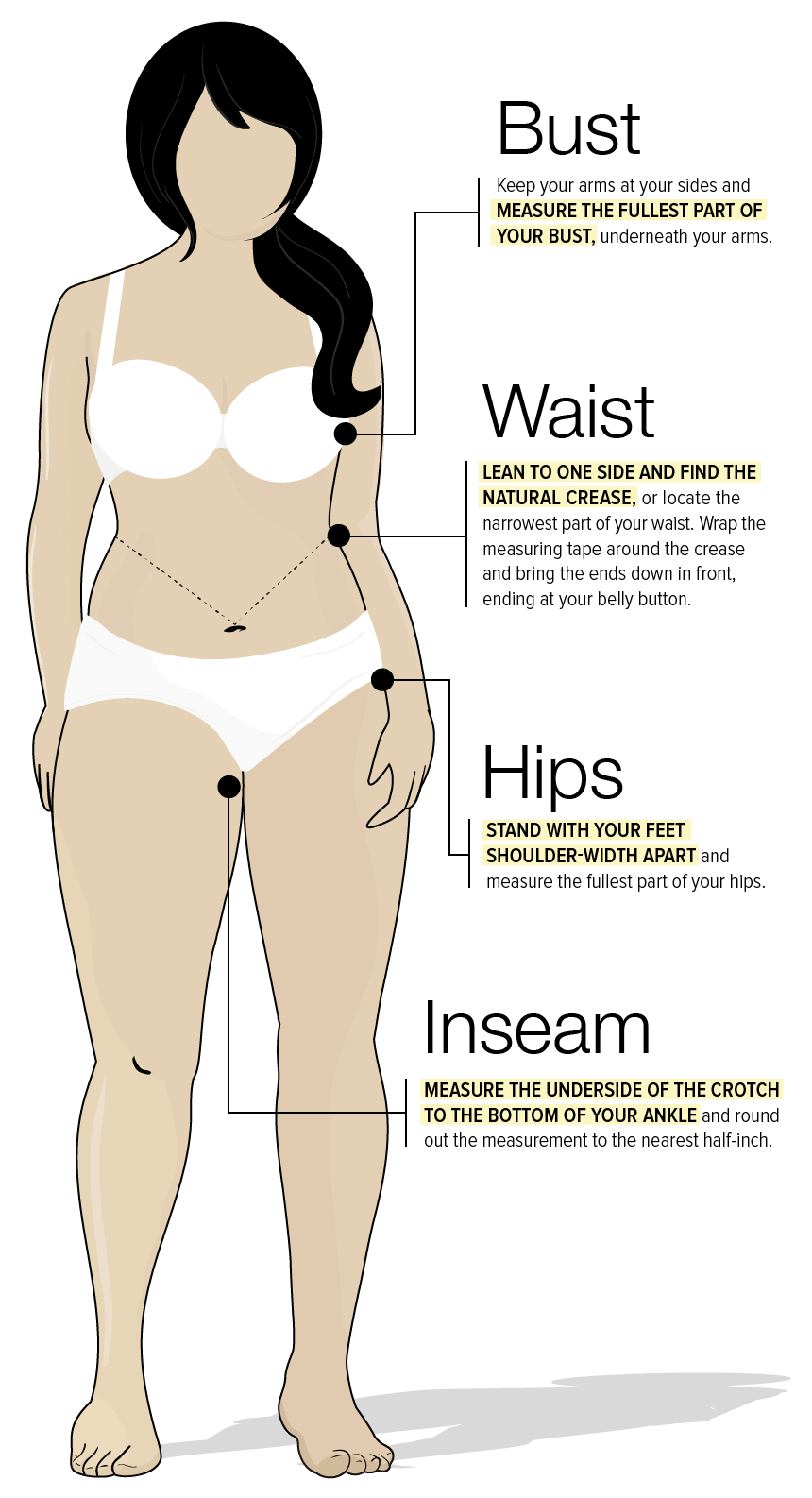
Diagram Credit: Monroe and Main
Keep these four measurements saved in your phone so they're always with you when you shop:
Bust
Measure around the fullest part of your bust while keeping the measuring tape level.
Waist
Measure around the narrowest part of your natural waist, usually just above your belly button.
Hips
Measure around the fullest part of your hips and seat while standing with your feet together.
Inseam
Measure from the top of your inner thigh down to your ankle or where you'd like your pants to hit.
Stylist Tip: Save these measurements in your Notes app so you can reference them anytime you're shopping.
How to Shop Smarter Online
Shopping online doesn't have to be a guessing game. Before clicking Add to Cart, take a few extra minutes to evaluate the item.
Always Check the Size Chart
Every retailer has its own sizing. Compare your measurements to the specific brand's size chart instead of automatically ordering your usual size.
Read Customer Reviews
Reviews often reveal whether an item runs large, small, long, short, or true to size. They can also provide insight into the quality, fabric, and overall fit.
Look at the Fabric Composition
Understanding fabric helps you predict how a garment will fit and wear.
Cotton offers structure but may shrink.
Linen is breathable and naturally wrinkles.
Wool provides warmth and structure.
Polyester is durable and often resists wrinkles.
Rayon and viscose tend to drape beautifully but may require extra care.
Study the Product Photos
Look beyond the first image. Notice where hems hit, how sleeves fit, and whether the garment is intentionally oversized or tailored.
Know the Return Policy
Before purchasing, make sure you understand the retailer's return window, return shipping costs, and whether refunds are issued as store credit or back to your original payment method.
Stylist Fit Tricks That Make Every Outfit Look Better
Expensive clothing isn't what makes someone look polished. Fit is.
Here are a few of my favorite styling tricks:
Hem pants to the proper length.
Tailor blazers and trousers for a more customized fit.
Roll sleeves intentionally instead of leaving them bunched.
Half-tuck or fully tuck your shirt to create shape.
Add a belt to define your waist.
Steam or iron your clothes before wearing them.
Choose the size that fits your largest measurement, then tailor as needed.
These small adjustments can completely transform how an outfit looks.
Closet Essentials Worth Investing In
Instead of chasing every trend, focus on versatile pieces you'll wear for years.
My recommended wardrobe staples include:
Straight-leg jeans
White T-shirt
White button-down shirt
Black trousers
Neutral blazer
Trench coat
White sneakers
Loafers
Black ankle boots
Everyday handbag
Leather belt
Timeless jewelry
Once you have a strong foundation, it's much easier to add seasonal trends without feeling like you need an entirely new wardrobe.
Common Shopping Mistakes to Avoid
Even experienced shoppers make these mistakes from time to time.
Buying based solely on the size label.
Ignoring fabric composition.
Skipping the size chart.
Keeping items that don't fit in hopes they'll work someday.
Purchasing trend pieces without considering how they'll fit into your existing wardrobe.
Shopping impulsively instead of intentionally.
A thoughtful wardrobe is almost always more versatile than an overflowing closet.
Final Thoughts
Shopping should feel exciting, not frustrating.
When you understand your measurements, pay attention to fit, and invest in versatile pieces, you'll make better purchasing decisions and create a wardrobe that works for your lifestyle.
The goal isn't to own more clothes. It's to own clothes that fit well, feel great, and help you get dressed with confidence every day.
Happy shopping!
